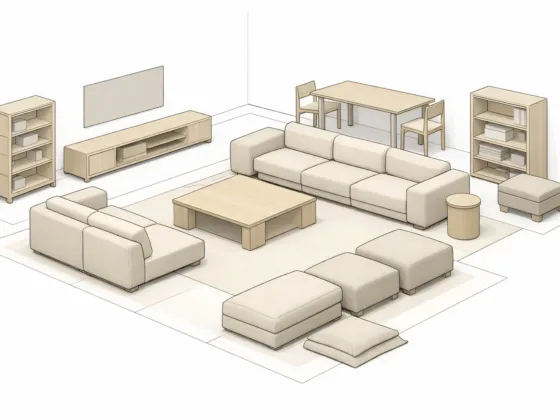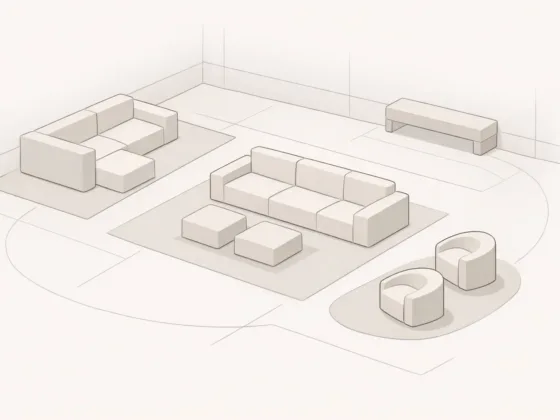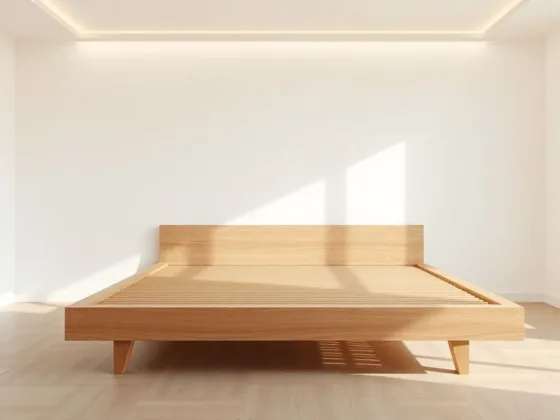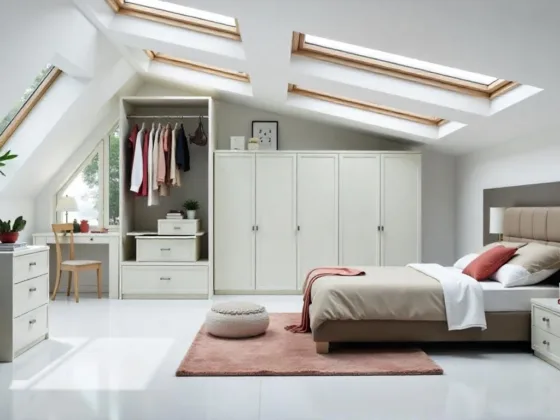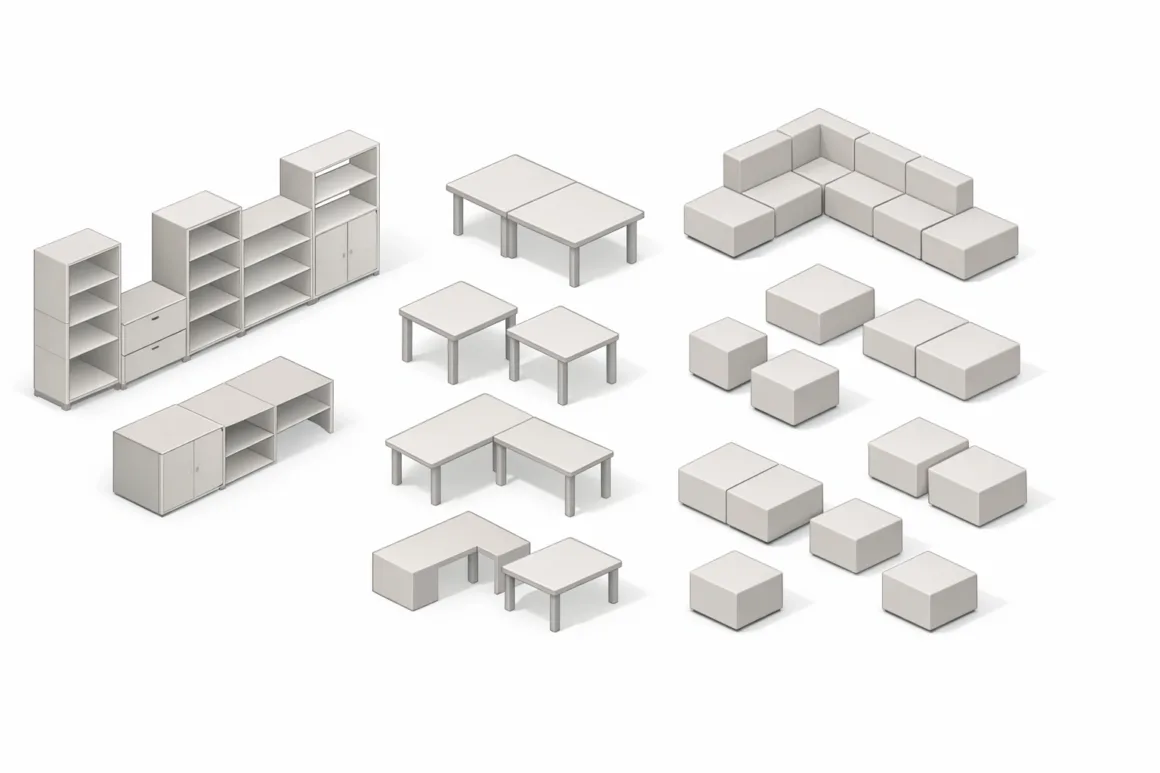
Furniture is often treated as a finishing layer—something added after a layout is set and a room’s purpose is defined. In practice, furniture absorbs more change, wear, and adaptation than almost any other interior element. As homes evolve to support shifting routines, work patterns, and household sizes, fixed furniture choices often become the first point of failure.
Modular furniture offers an alternative approach. Rather than responding to change through full replacement, modular systems allow interiors to adjust incrementally. Viewed through a system-based approach to eco-friendly interior design, modular furniture—beyond sofas—supports long-term usability, reduces waste, and improves resilience as living conditions change.
Why Furniture Flexibility Matters More Than Ever
Modern homes rarely serve a single purpose for long. Living rooms double as workspaces, dining areas expand and contract depending on household size, and storage needs fluctuate over time. While layouts can be adjusted to a degree, furniture often determines how flexible a space can truly become.
Traditional fixed furniture assumes stability. A large cabinet expects a permanent wall. A fixed dining table presumes consistent seating needs. When these assumptions no longer hold, furniture becomes an obstacle rather than a support. The result is frequent replacement—not because items are worn out, but because they no longer fit the way a home is used.
Furniture flexibility matters because it sits at the intersection of daily use and long-term planning. Unlike finishes or structural elements, furniture is touched, moved, and stressed constantly. When furniture cannot adapt, households compensate through clutter, workarounds, or full replacement. Modular systems reduce this friction by allowing interiors to change without starting over.
Furniture as a System, Not Individual Pieces
Most furniture is purchased and evaluated as isolated objects: a table, a shelf, a cabinet. This object-based mindset overlooks how furniture interacts over time. In reality, furniture works as a system—supporting circulation, defining zones, absorbing wear, and shaping how spaces function.
System-based furniture design focuses on relationships rather than standalone pieces. A modular shelving system, for example, does not depend on a fixed width or height. It grows vertically, shifts horizontally, or rebalances storage as needs change. This mirrors how flexible layout systems prioritise circulation and zoning over fixed room functions.
When furniture is treated as a system, replacement becomes a last resort rather than the default solution. Components can be adjusted, added, or removed without dismantling the entire setup. This approach aligns closely with long-term interior sustainability, where reducing replacement cycles often has a greater impact than surface-level material choices.
Types of Modular Furniture That Support Long-Term Adaptability
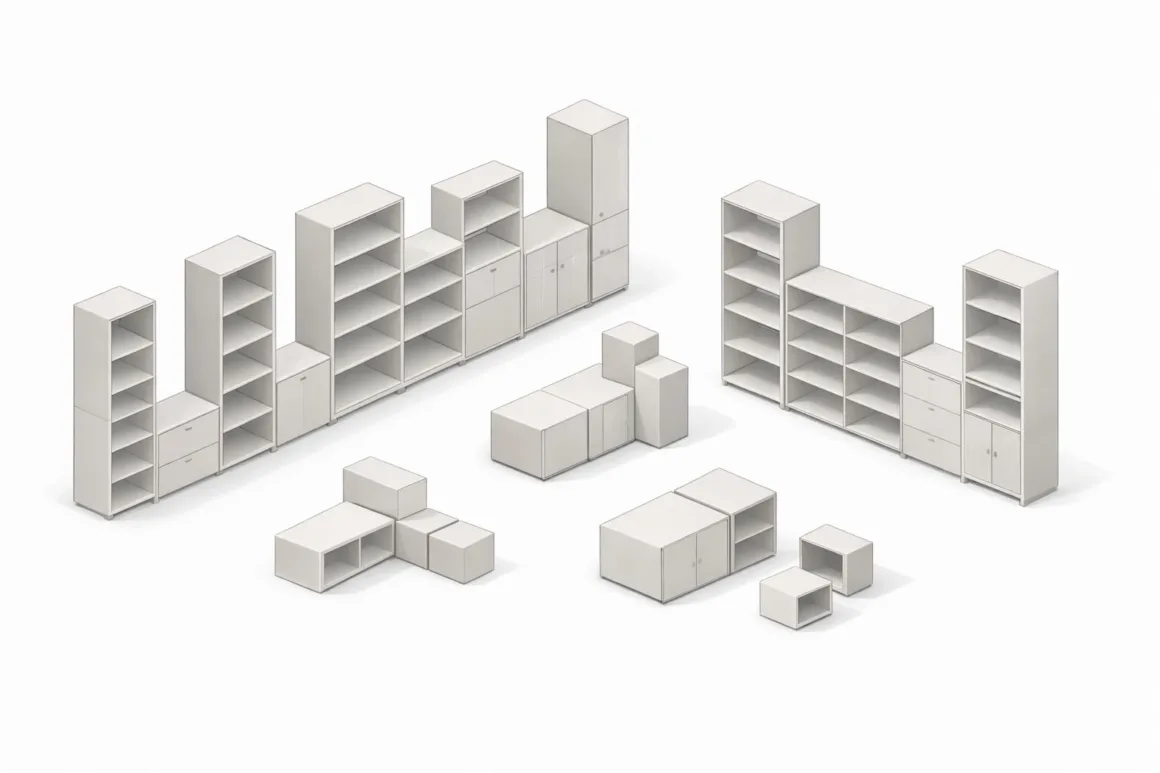
Modular Storage and Shelving Systems
Storage is one of the most frequent sources of interior waste. Fixed cabinetry often fails when storage needs grow, shrink, or shift location. Modular shelving systems provide a more resilient alternative.
These systems allow vertical expansion, horizontal reconfiguration, or partial replacement. Shelves can be added as collections grow or removed when needs change. Individual components can be replaced without forcing a full system teardown.
Modular storage also supports room reallocation. Shelving that once served a living room can migrate to a home office or bedroom with minimal disruption. This portability extends the usable life of both the furniture and the space itself.
Modular Tables and Work Surfaces
Tables and work surfaces are often selected for a single use case, yet they are among the most adaptable elements in a home. Modular tables allow extensions, height changes, or repositioning depending on activity.
An extendable dining table accommodates guests without permanently occupying extra floor area. Modular desks can combine or separate to support collaborative work or individual tasks. In smaller homes, tables that shift roles—from dining to working to hobby surfaces—reduce the need for redundant furniture.
Modular work surfaces support multiple configurations. This flexibility reduces spatial pressure and delays the need for additional furnishings as routines evolve.
Modular Seating Beyond Living Rooms
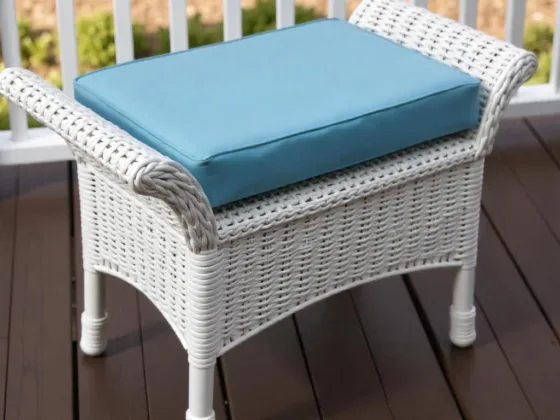
While modular sofas are a familiar example, modular seating extends well beyond living room arrangements. Benches, ottomans, and sectional seating elements function across rooms and purposes. A deeper explanation of modular seating at the living room scale appears in this guide to modular sofa systems.
In entryways, modular benches adapt to changing storage needs. In bedrooms, modular seating supports reading, dressing, or workspace overflow. In open-plan homes, seating modules help define zones without fixed partitions.
When seating components can be rearranged or repurposed, they respond more effectively to changing household dynamics without generating waste through replacement.
How Modular Furniture Reduces Replacement Cycles
Replacement cycles are a major driver of environmental impact in interiors. Furniture is often discarded not because it has failed structurally, but because it no longer fits a space or routine.
Modular furniture separates adaptability from durability. Instead of replacing an entire unit, systems support selective intervention. A damaged shelf can be swapped. An extra module can be added when capacity is exceeded. Configurations can change without discarding functional components.
This incremental approach extends usable life. Over time, fewer materials enter waste streams, and fewer new products are required to maintain functionality. Reducing replacement frequency often delivers greater sustainability gains than isolated material substitutions.
Cost Efficiency Over Time, Not at Checkout
Modular furniture is often perceived as more expensive upfront. While initial costs can be higher, long-term value emerges when furniture is evaluated over its full lifecycle.
Traditional furniture assumes replacement as needs change. Modular systems assume adaptation. Over years of use, the ability to reconfigure or replace components selectively often results in lower cumulative spending.
Labour costs also factor into this equation. Adjusting modular furniture typically requires less effort than removing and reinstalling fixed systems. This advantage matters in rented or frequently modified spaces where reversibility is essential.
Common Mistakes When Choosing Modular Furniture
- Choosing systems that lack compatibility for future expansion.
- Relying on proprietary connectors that prevent backward compatibility.
- Selecting modules designed for only one specific use.
- Ignoring circulation and clearance requirements during planning.
When Modular Furniture Makes the Most Sense
- Apartments and compact homes where space must serve multiple purposes.
- Long-term residences where household needs evolve over time.
- Multi-use rooms that shift between work, leisure, and entertaining.
- Households planning gradual upgrades rather than full renovations.
Final Thoughts
Modular furniture reframes interiors as adaptable systems rather than static compositions. When components can shift, expand, or be replaced selectively, interiors remain useful longer, generate less waste, and better support changing living patterns.
Beyond sofas, modular furniture plays a critical role in creating interiors that evolve alongside the people who use them. When furniture is treated as infrastructure rather than decoration, homes become more resilient, efficient, and sustainable over time.
Author & Editorial Review
Author: Perla Irish is a design and home living writer specialising in interior materials, furniture performance, and long-term home decision-making. View her published work at Muck Rack.
Editorial Review: This article was reviewed by the HouseSumo Editorial Board to ensure clarity, neutrality, factual accuracy, and alignment with long-term interior sustainability principles. Content is evaluated for long-term usefulness rather than promotional intent.