Quick answer: Before winter, inspect roof & flashing, clean gutters, top up attic insulation (often ~R-49 target in colder zones), book a CSIA chimney sweep, service your furnace/boiler & bleed radiators, set thermostats ~68°F when home, seal doors/windows, push groundwater away from the foundation, and winterize outdoor plumbing. Also test smoke/CO alarms on each level.
Winter tests every seam, shingle, and valve. A late-October hour with a ladder and a flashlight can save a February weekend with buckets and towels. Use this winter home maintenance checklist to keep rain outside, heat inside, and radiators quiet.
Winter Home Maintenance Checklist: 10 Things to Check
This winter home maintenance checklist is your quick plan for the ten items below—start with the roof and gutters, then move to heating, drafts, and safety.
1. Start at the top: inspect the roof
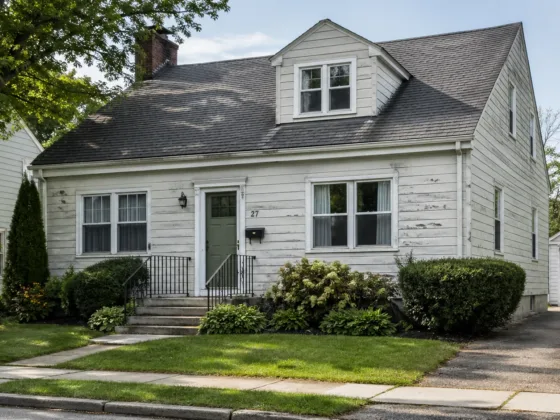
Look for lifted shingles, cracked flashing, and soft spots near ridges. If a patch job looks risky, search for pros, such as roofing companies in Salt Lake City, before the first snow. One tell: granules showing up in your gutters after a September windstorm in Boise usually mean shingles are near the end of their life.
Pro add-ons
- DIY scan sequence: From the ground, scan valleys and the downwind slope; then binocular-check ridge caps and penetrations (vents, chimneys).
- Call a pro when: You see widespread granule loss, curled shingles, or spongy sheathing near ridges.
- Related HouseSumo guide: Top Roofing Tips for a Long-lasting Home
2. Clear gutters and push water away
Clogged gutters turn slush into standing water, and standing water finds drywall. Clean them, flush with a hose, then add extensions so downspouts dump water at least 5 feet from the foundation. In Des Moines, a ten-dollar vinyl diverter beats patching a damp basement corner in March.
Pro add-ons
- Add splash blocks or rigid 4–6 ft extensions; verify soil slopes away ~6 in over the first 10 ft.
- Related HouseSumo guide: Water Damage in the Basement: Common Issues & Fixes
3. Check flashing, vents, and skylights
Rubber vent boots crack, step flashing slips, and skylight gaskets age out. Replace a split boot around a 1.5-inch plumbing vent and re-caulk the top edge of step flashing with a high-quality exterior sealant. A short stint on a Denver roof in October beats repainting a coffee-colored stain on the bedroom ceiling in January.
As part of this winter home maintenance checklist, don’t skip small roof details like flashing and vent boots—they’re frequent leak sources.
Pro add-ons
- Tug each boot; hairline splits? Replace.
- Look for daylight at sidewall step flashing.
- For skylights, check brittle gaskets and failed butyl tape.
- Related HouseSumo guide: Roofing Maintenance 101
4. Beef up attic insulation and plug sneaky leaks
In colder states, target about R-49, which works out to roughly 14 inches of blown cellulose or fiberglass. Seal the attic hatch, recessed cans, and the bath fan with fire-rated foam so warm air isn’t feeding an ice dam. A simple half inch gap at the chimney chase will steal heat the way a small flue would.
Pro add-ons
- ENERGY STAR’s table shows cost-effective attic levels commonly R-38 to R-60 by climate; R-49 is a typical cold-climate target. See official R-values.
- Add baffles at eaves before topping up insulation to protect soffit ventilation.
5. Book a chimney and flue inspection
Wood, gas, or oil, every system needs an open, clean path for exhaust. Bring in a CSIA-certified sweep to check for creosote, cracked liners, and missing caps that tempt wildlife. A stainless cap on a 12 by 12 clay flue keeps out rain and raccoons alike.
Pro add-ons
- The Chimney Safety Institute of America and NFPA recommend annual inspections by a certified pro. CSIA guidance.
- Related HouseSumo guide: Choosing a Fireplace Store (Toronto): Safety & Costs
6. Give the furnace or boiler a proper tune up
Swap in a new filter, listen for short cycling, and get the service visit on the calendar before Thanksgiving. The U.S. Department of Energy suggests setting occupied hours to 68 degrees; that works only if the system is clean and properly sized. On a gas furnace in Cleveland, a fresh MERV 11 filter every 60 to 90 days keeps airflow up when returns are dusty.
Your winter home maintenance checklist should also include a pre-season furnace or boiler tune-up to keep 68°F setpoints efficient.
Pro add-ons
- Energy.gov suggests ~68°F while you’re home/awake; set lower when asleep/away. DOE thermostat tips.
- Related HouseSumo guide: Why EM Heat Mode Is a No-Go for Efficient Heating
7. Bleed and balance radiators
Air pockets make radiators gurgle and leave chilly stripes across a room. On hot-water heat, crack the bleed valve with a radiator key until you get a steady trickle of water, then tighten it. In many New York City prewar buildings with steam, swapping in adjustable vents on cool radiators evens out heat from room to room.
Pro add-ons
- If a baseboard/loop stays cool, confirm circulator direction, zone valve, and trapped air.
8. Tune the thermostat and zoning
Program weekday and weekend schedules, test batteries, and confirm sensors aren’t buried behind curtains. If there are two zones, make sure the basement or first floor doesn’t overrun to satisfy a hot upstairs call. A simple 62-degree overnight setback often trims bills without waking up to an icebox.
Pro add-ons
- Start with a 7–10°F overnight setback for ~8 hours.
- Related HouseSumo guide: Why EM Heat Mode Is a No-Go for Efficient Heating
9. Tighten up windows and doors
Replace brittle weatherstripping, lay a clean bead of exterior silicone where siding meets trim, and add a new door sweep. In Chicago, a 36-inch aluminum sweep tames that ankle-level draft when the wind comes off Lake Michigan. For leaky single panes, clear interior film is a respectable stopgap.
Pro add-ons
- Use compressible bulb weatherstripping for warped jambs; kerf-insert types for modern frames; add automatic door bottoms for high-leak doors.
- Related HouseSumo guide: Door Gasketing vs Weatherstripping
10. Manage groundwater and outdoor plumbing
Backfill low spots that tilt toward the foundation, test the sump by pouring a bucket of water into the pit, and confirm there’s a battery backup. Plug the pump into a GFCI outlet and keep the discharge line pitched so it won’t freeze; a twenty-dollar check valve stops backflow after the pump shuts off. Shut the interior valve to each hose bib, drain the line, then open the outdoor spigot.
In Minnesota, schedule an irrigation blowout before the first real freeze. Your garden hose is brave, not immortal.
Pro add-ons
- Test the sump by pouring a bucket of water into the pit; add a check valve to stop backflow.
- Shut interior valves to hose bibs, open exterior spigots, and blow out irrigation before freezing temps.
- Related HouseSumo guides: Seasonal Plumbing Maintenance & Foundation Repair Basics
Round out the winter home maintenance checklist with a few safety checks.
Winter Home Maintenance Safety Checks (don’t skip)
- CO & smoke alarms: Place CO alarms on every level and near sleeping areas. EPA placement guide.
- Space heaters & generators: Keep clearances; never run a generator in a home/garage. Mind back-draft risks near returns.
A little pre-winter discipline beats emergency calls in sleet. This winter home maintenance checklist keeps you focused: roof and gutters, insulation, heating, drafts, plumbing, and safety. One focused weekend in November buys a calmer, warmer January.
Mini-FAQ
What thermostat setting saves money in winter?
Most homes do well at ~68°F when home/awake and lower while sleeping/away; consistent 7–10°F setbacks for ~8 hours can trim bills (works best with a sealed/insulated envelope).
How much attic insulation do I really need?
ENERGY STAR guidance commonly lands between R-38 and R-60 by climate; R-49 is a typical target in colder zones. Seal air leaks before adding insulation.
How often should chimneys be inspected?
Annually by a CSIA-certified professional, regardless of fuel type; inspections find creosote, cracks, and venting issues.
References
- U.S. DOE — Programmable Thermostats
- ENERGY STAR — Recommended Home Insulation R-Values
- U.S. EPA — Carbon Monoxide Alarms: Placement
- Author: Perla Irish — Home Improvement Editor at HouseSumo • Author page
- Reviewed by: Bryan Orr — NATE-Certified HVACR Professional; Founder, HVACR School • LinkedIn
Editorial policy: We cite standards (DOE, ENERGY STAR, EPA/CSIA) and update this guide as codes and refrigerants evolve.