Your home plumbing system is a system of pipes, valves, and drains that supply clean water to your house and carry it away as waste. It is concealed in the walls and under the floors, but it never stops the clock. Its neglect results in expensive damage, leaks, mildew, and astronomical water bills. Just like your car, it remains in working order through upkeep, crisis averting, and guarding the value of your home. You can’t call a plumber for everything.
This guide was developed in consultation with licensed plumbers from Panda Plumbing, an accredited provider of residential plumbing services with over 15 years of industry experience. We also reference reputable resources, including the U.S. Department of Energy and HowStuffWorks, to ensure the accuracy and reliability of each recommendation.
Expert Insight: “The key to avoiding major plumbing repairs is consistent seasonal upkeep. Even something as simple as checking your outdoor faucets in spring can prevent costly burst pipes down the line.”
— Mike Delaney, Master Plumber & Founder of Panda Plumbing
Customer Testimonial: “After following this checklist, we avoided what could have been a disaster last winter. I had no idea my sump pump wasn’t working until I tested it thanks to this guide.”
— Janice L., Homeowner in Minnesota
Further Reading: A Homeowner’s Checklist; 6 Things You Should Do Annually
Seasonal Plumbing Maintenance Guide
Each season brings unique dangers to your plumbing, but with a seasonal checklist from Panda Plumbing, you can avoid emergencies and keep your system healthy all year long.
Spring: Look for Winter Damage
- Look for frozen pipes or fittings.
- Check outside faucets for leaks and see if the hose was left connected while it froze.
- Patrol your yard and verify that no water is pooling from damaged underground pipes.
- Test your sump pump before heavy spring rains arrive. Fill the pit with water and observe if it turns on as needed. Replace it if it fails to operate.
Summer: Prepare for Extensive Use
- Summer equals additional strain on your plumbing. Families are gone, kids are home, and buddies visit.
- Inspect washing machine hoses for cracks or bulges.
- Clean out sink and tub drains before they clog up.
- Pump out the septic tank if a few years have passed.
- Water heaters operate less in the summer, so this is a great time to clean the tank and drain sediment. That provides added life and improved performance.
Fall: Winterize in Advance
- Disconnect and drain the outside hoses.
- Shut off the outdoor water at the house shut-off valve.
- Wrap any exposed pipes, especially those in unheated places such as crawl spaces and garages, in insulation to prevent freezing.
- Clear downspouts of leaves and gutters to allow clear drainage out of your house.
- Identify the water heater and adjust the thermostat to 120°F to save on energy and scalds.
- Have a plumbing checkup to see if it has been over a year since you last had one.
Winter: Freeze Protection is Essential
- Ensure you never set your thermostat to less than 12°C (54°F) even when you will be away for an extended period.
- Place more seldom-used things in cabinets with sinks and keep them closed when no one uses them. It helps warm air circulate better around these areas.
- During extreme cold weather, allow cold water to drip gradually through outside faucets, keeping them moving and preventing freezing.
- Check out sinks, toilets, and showers carefully, looking for leaks. Tiny and insensible cracks most often cause pipe bursting.
- If a freeze is even suspected, immediately turn off the main water supply before the pipe can burst.
Annual Maintenance Checklist
Check Water Pressure Periodically
Too much water pressure stresses your plumbing. It stresses joints and shortens the life of fixtures. Test it annually on an outdoor faucet with a simple pressure gauge. Ideal pressure is 40 to 60 psi. If over 80, have it regulated.
Too little pressure may mean a hidden leak or sediment buildup. Sudden pressure shifts are a warning—don’t wait if you experience them.
Flush the Water Heater Annually
Sediment forms at the bottom of the tank over time and decreases efficiency. It could also produce banging noises, rusty water, or earlier failure. To flush: switch off electricity or gas, attach a hose to the drain valve, and drain until clear water is produced.
Do it annually, especially with hard water. Drain after drain, close the valve, fill, and turn on the power. If you find rust, it is time to replace it with a new unit.
Clear and Maintain Drains
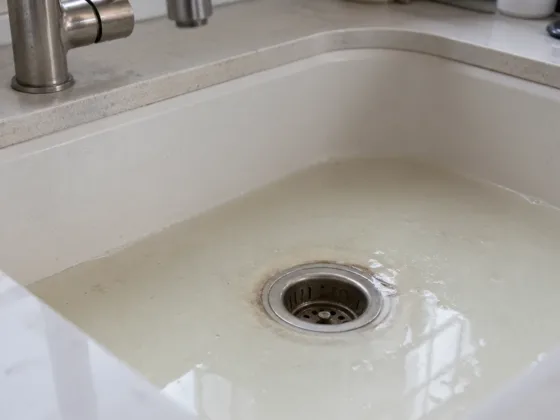
Clogged drains accumulate with time. Stop this by running sinks with boiling water once a month. To dislodge grease and soap scum, use one-half cup of baking soda to one part of vinegar.
Do not pour any chemicals in the drain system; they will destroy the pipes and likely go unrepaired. If your drain is clogged, use a plunger or a drain snake. It’s also wise to wash off hair catchers in the bathrooms once a week.
Check Shut-Off Valves Annually
Turn all shut-off valves beneath sinks, behind toilets, and at the main water line once a year. If some are hard to turn, they may be seizing. Replace any that bind or leak. In an emergency, you need these to work right away.
Mark the main shut-off valve so all household members know its location. If your valves have not been turned in years, don’t wait until an emergency to test them.
Look for Silent Leaks and Wet Spots
Leaks may be silent until they’ve done a lot of damage, so regular checks are essential. Start by looking under sinks, behind toilets, and near water heaters for water, rust, or mold.
Feel the pipe connections and supply lines for moisture with your hands. Pull washing machines and dishwashers out annually to check hoses for bulges or cracks and tighten loose connections.
Rock toilets carefully—if they shift, the wax seal will be broken, and leaks beneath the floor will result. Warped floors or stained walls are clear warning signs to watch for. Put food coloring in toilet tanks to render slow leaks from faulty flappers visible.
Clean Out the Sump Pump Pit
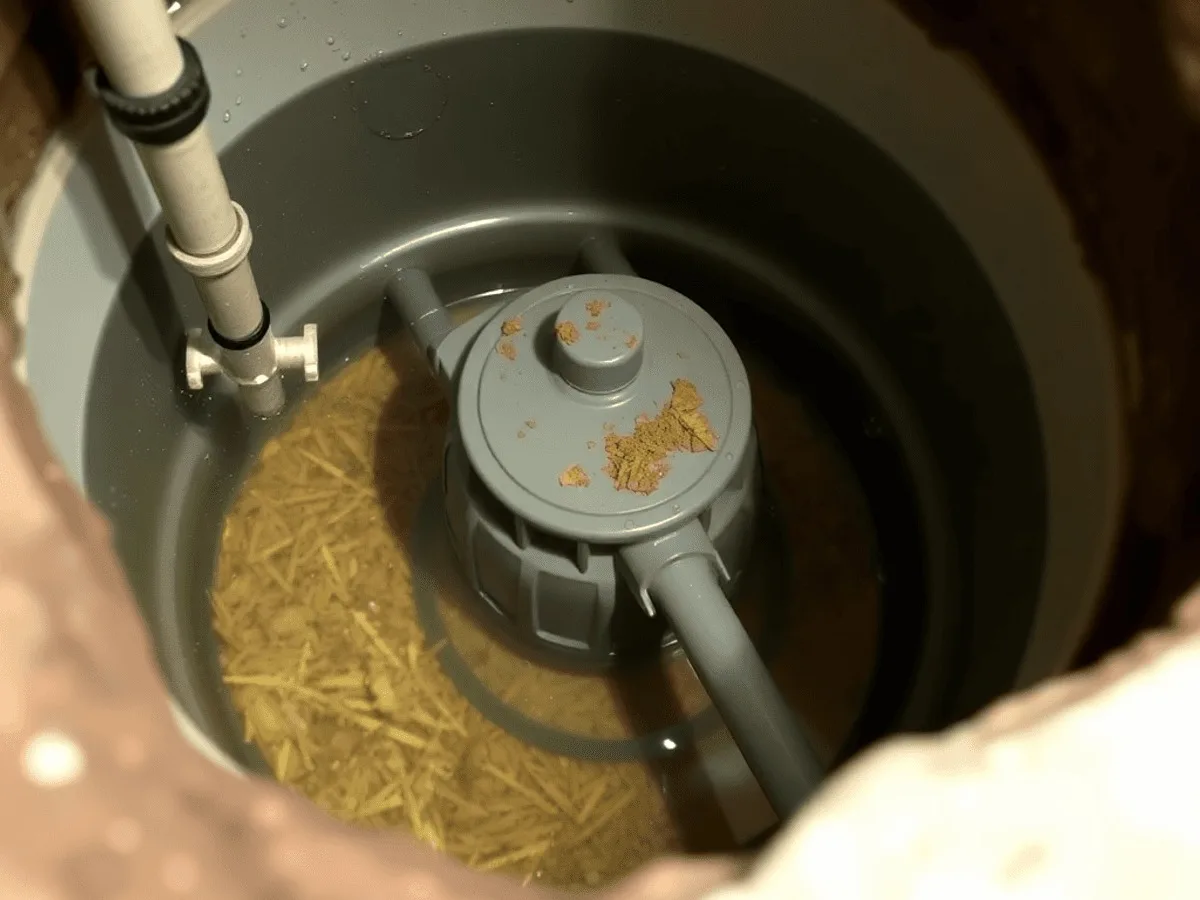
If you do have a sump pump, it needs regular clearing. Remove the cover and remove debris from the pit. Test the pump by pouring in water. It should turn on, pump out the water, and shut off.
Do this every few months. Ensure the discharge pipe outside isn’t clogged or frozen. The impeller or float may be stuck if the motor runs without flowing water.
Check Traps and Floor Drains
Basements, laundry rooms, and garages typically have floor drains. Pour a bucket of water down every six months to keep the trap full. A dry trap lets sewer gas into your home. If a drain backs up, clear it immediately.
Do not use it as a trash can for paint, mop water, or garbage. That makes costly clogs. Keep covers clean and shine a flashlight through to spot blockages.
Pro Tip: Use a Seasonal Reminder System
Set calendar alerts or print a checklist to stay on track with maintenance tasks. Early prevention means fewer emergencies, lower bills, and a longer-lasting plumbing system.
Plumbing maintenance doesn’t require trade skills or special equipment. It just takes a checklist and a little consistency. Each season brings dangers. Get ahead of them, and you’ll spare the stress, cost, and mess of plumbing disasters. What you don’t see can hurt your home. That’s why maintenance matters.
This guide was compiled by the editorial team at Housesumo.com, a trusted source for DIY home maintenance tips. We collaborate with licensed professionals, such as the experts at Panda Plumbing, to ensure our content reflects real-world expertise and current industry standards. Our content is reviewed regularly for accuracy and practical application. Learn more at Housesumo.com.
Frequently Asked Questions
Q: How often should I flush my water heater?
A: At least once a year, especially if you have hard water buildup.
Q: What temperature should I keep my thermostat in winter?
A: Never set it below 54°F (12°C), even when away.
Q: How do I know if my sump pump is working?
A: Pour water into the pit. It should start automatically and shut off after draining.