• DIY
    • Crafts
      • Outdoors & Garden Projects
    • Decorating
      • Exterior Painting & Decorating
      • Painting & Wallpaper
      • Room by Room
    • Furniture
      • Cabinets
      • Tables
    • Woodworking
  • Home Improvement
    • Real Estate
    • Living
    • Entertaining
    • Home Building & Design
      • Home Interior
      • Home Exterior
    • Home Management
      • Home Organization
    • Remodeling
    • Living Areas
    • Bathroom
    • Kitchen
  • Lawn & Garden
    • Lawn Care
    • Vegetable Gardening
    • Landscaping
      • Irrigating
    • Flowers
    • Trees & Shrubs
  • Categories
    • Home Improvement
    • Lawn & Garden
    • Landscaping
    • Real Estate
Housesumo.com
  • DIY
    • Crafts
      • Outdoors & Garden Projects
    • Decorating
      • Exterior Painting & Decorating
      • Painting & Wallpaper
      • Room by Room
    • Furniture
      • Cabinets
      • Tables
    • Woodworking
  • Home Improvement
    • Real Estate
    • Living
    • Entertaining
    • Home Building & Design
      • Home Interior
      • Home Exterior
    • Home Management
      • Home Organization
    • Remodeling
    • Living Areas
    • Bathroom
    • Kitchen
  • Lawn & Garden
    • Lawn Care
    • Vegetable Gardening
    • Landscaping
      • Irrigating
    • Flowers
    • Trees & Shrubs
  • Categories
    • Home Improvement
    • Lawn & Garden
    • Landscaping
    • Real Estate
featured image - How to Choose the Right Wood Bench Legs
  • Home Improvement
  • DIY

How to Choose the Right Wood Bench Legs

  • Perla Irish
  • February 2, 2022
Total
2
Shares
2
0
0
0

Bench legs are just as important as the bench itself.
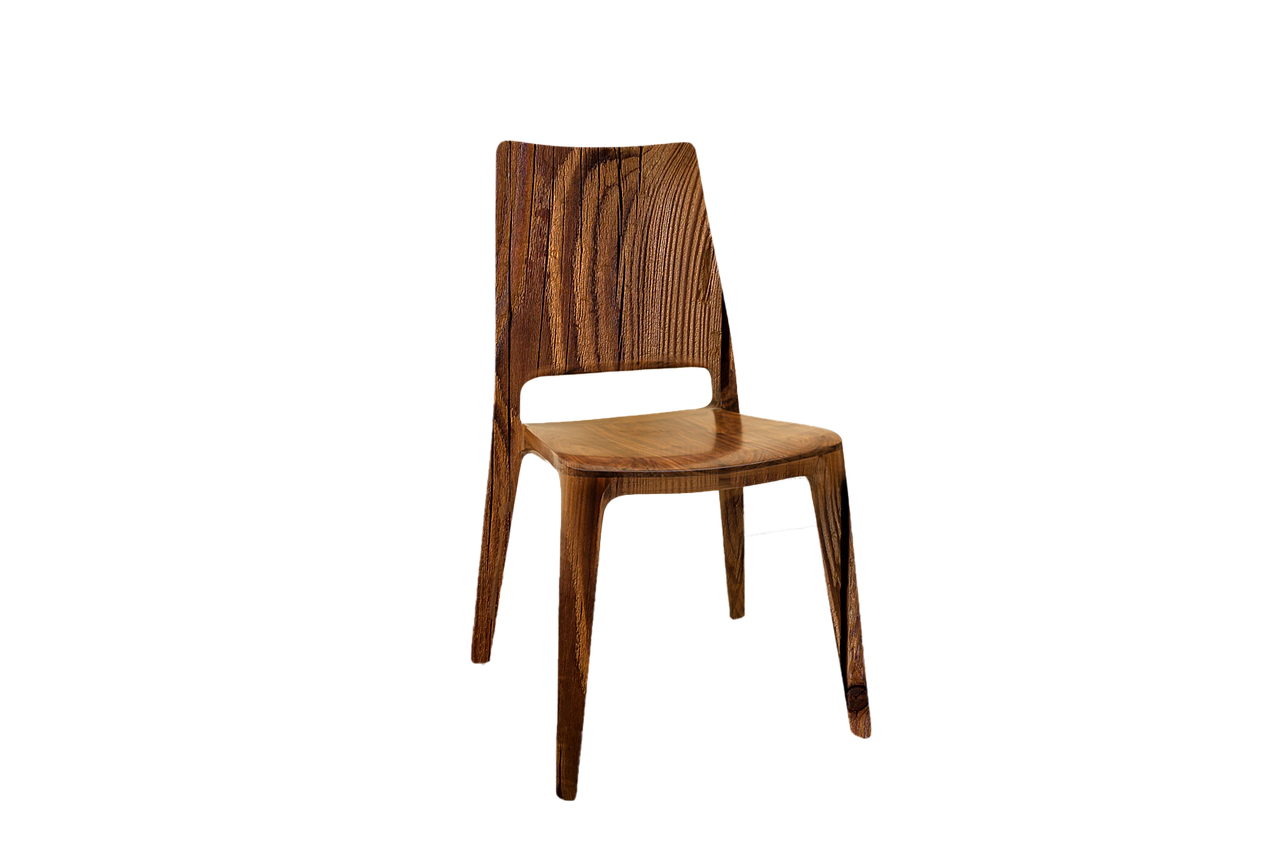
image - How to Choose the Right Wood Bench Legs
How to Choose the Right Wood Bench Legs

Whether you are building a new bench from scratch or repairing an old one, it is crucial to choose the right wood bench legs to increase its longevity. The whole structure of a bench depends on its legs. If they are not built with strong wood, you won’t be able to use the bench for long.

Many stores also deal in bench legs in the market. If you are looking for a quick fix for your bench, you can consider exploring the wide range of bench legs options that these stores have to offer. To help you make a wise decision, read on to know how you should choose the right wood bench legs.

1. Strength

The first characteristic of great wood for bench legs is its strength. Various wood species are used for making legs of furniture; however, you should choose one with enough hardness. There is a hardness scale called the Janka Hardness Scale, in which the top woods are dense and strong, but they are challenging to work. The species that have values between 1000-1500 psi are considered strong and workable.

2. Close-Grained Species

It isn’t difficult to ensure the grain runs along the length of a leg when you are carving straight or slightly tapered legs. However, when you make curved or splayed legs, the grain may run at a slight angle, resulting in weak points. Close-grained woods are the best options for reducing this effect. Additionally, close-grained species are less likely to splinter when turned on a lathe.

Another advantage of choosing close-grained woods is their staining capability. If you are making a new bench from scratch, matching the top and legs is easy. However, it isn’t the same if you are adding legs to an existing bench. A species with a close grain will tend to accept stains more evenly than one with an open grain.

Ash, walnut, maple, cherry are examples of close-grained species. These woods are readily available, workable, and robust. Mahogany is also quite popular, but it belongs to the exotic species and can fall out of budget.


Read Also:

  • The Ultimate Guide to Hardwood Floors-Wood or Laminate?
  • Alternatives to a Wood Deck That are Low Maintenance
  • How Do I Make a Wood Beam with 2×8 Boards?

Which Wood Should You Choose for Bench Legs?

You must have heard about hardwood and softwood. As understandable from the name itself, hardwood has more hardness than softwood. Hardwood comes from angiosperms such as mahogany, walnut, maple, oak, etc. These trees grow slowly and, as a result, have denser wood fibers.

Hardwoods are relatively more expensive than softwoods, but the extra price is for their durability. Due to their close-grained structure, they require low maintenance. Hardwoods are ideal for making bench legs if you want to keep the furniture for a long time. Some durable species of softwoods can also be a worthy choice for bench legs, for example, European softwood, Cedar, Douglas fir, and Quebec yellow pine.

Conclusion

So, these are some important things that you should be aware of when choosing wood for your bench legs. Strength tops the list of considerations when selecting bench legs made of wood, but their workability and appearance are also essential.

Although some hardwoods have tensile strength comparable to steel, their hardness makes them difficult to shape and cut. You can choose hardwoods such as oak, teak, walnut as they have decent stretch and workability. If you are on a limited budget, you can go for softwood but make sure to choose a durable one.

0
0
2
0
Total
2
Shares
Pin it 2
Share 0
Tweet 0
Share 0
Share 0
Related Topics
  • wood
Previous Article
featured image - Typical Residential Plumbing Services Offered by Plumbers in Orlando
  • Home Improvement
  • DIY

Typical Residential Plumbing Services Offered by Plumbers in Orlando

  • Perla Irish
  • February 2, 2022
View Post
Next Article
featured image - What are Plantation Shutters and Why Should You Get Them?
  • Home Improvement
  • DIY

What are Plantation Shutters and Why Should You Get Them?

  • Perla Irish
  • February 2, 2022
View Post

You May Also Like

Modest kitchen with wood-look faux butcher block countertop
View Post
  • Kitchen

DIY Faux Butcher Block Countertops: Cost, Durability & Long-Term Reality

  • Perla Irish
  • February 14, 2026
Modular furniture components arranged as an adaptive interior system rather than fixed standalone pieces.
View Post
  • Furniture

Modular Furniture Beyond Sofas: Designing Interiors That Adapt Over Time

  • Perla Irish
  • January 27, 2026
Flexible living room interior layout illustrated as a system, showing modular seating, storage, and furniture arranged for long-term adaptability rather than fixed styling.
View Post
  • Home Interior

Flexible Living Room Layouts: Designing Spaces That Adapt Over Time

  • Perla Irish
  • January 26, 2026
Neutral living space illustrating eco-friendly interior design through flexible layout and long-term adaptability.
View Post
  • Home Interior

Transforming Your Home With Eco-Friendly Interior Design

  • Perla Irish
  • January 26, 2026
Illustration showing a neutral living room layout with abstract seating zones and circulation space.
View Post
  • Furniture

What Is a Modular Sofa and Why It Works for Modern Living Rooms

  • Perla Irish
  • January 21, 2026
Architectural visualization showing an off-the-plan residential project before construction begins.
View Post
  • Home Building & Design

A Builder’s Guide to Marketing New Property Projects

  • Perla Irish
  • January 13, 2026
Technician checking a refrigerator in a home kitchen in Winter Garden, Florida
View Post
  • Home Improvement

Refrigerator Repair in Winter Garden: A Practical Homeowner’s Guide

  • Perla Irish
  • December 31, 2025
Side-by-side view of common metal finishes showing chrome shine, copper patina, and matte black texture.
View Post
  • Home Improvement
  • Home Interior

How to Choose the Best Metal Plating for Home Fixtures (What Actually Lasts)

  • Perla Irish
  • December 30, 2025

Join 13,000 folks!

Get instant access to our weekly newsletter where we share the best! 100% Privacy. No Spam.

  • Disclosure & Affiliate Policy
  • Privacy Policy
  • Terms of Use
  • About
  • Sitemap
  • Contact Us

Input your search keywords and press Enter.