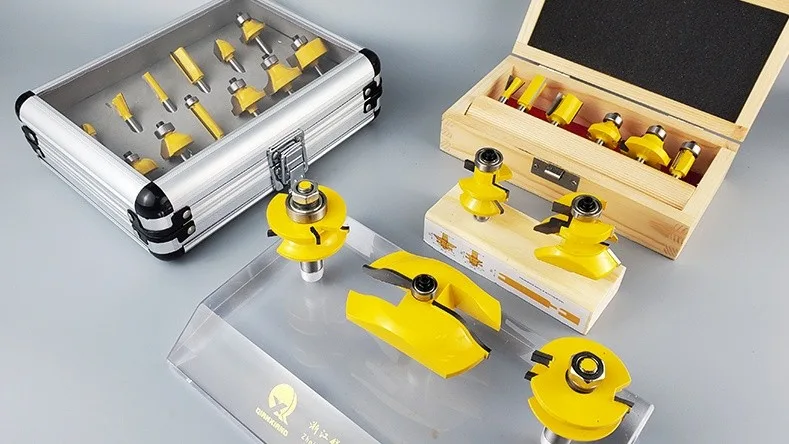
If you’re a hands-on DIYer or new to the world of woodworking, there’s an item that’s sure to become your favorite. We are talking about the router. A router allows you to create beautiful edges as well as accurate channels. However, like with any instrument, its actual capability is determined by the attachments you use- specifically, woodworking router bits.
In this content, we’ll walk through the essential router bits every DIY enthusiast should own. Whether you’re building furniture, cabinets, or just exploring creative woodworking ideas, having the right bits on hand can completely transform your craftsmanship.
Why the Right Router Bits Matter
You wouldn’t use the same knife for cutting vegetables and carving meat, right? The same logic applies to routers. Different bits serve different purposes, and using the right one is key to getting clean, professional results.
With the right set of router bits:
- Your cuts are cleaner and smoother
- You save time sanding and fixing edges
- Your projects get a polished, high-end look
- You reduce material waste and tool wear
Woodworking Router Bits
Let’s dive into the bits that truly matter for DIYers.
1. Straight Router Bits
If you can only choose one bit to start with, make it a straight router bit. It’s one of the most versatile bits in woodworking. These bits are designed to cut straight, square-bottomed grooves in the surface of your material.
Best for:
- Dados for shelving
- Grooves for drawer bottoms
- Trimming edges
- Mortising
Investing in a straight router bit set ensures you have multiple sizes for different applications. It’s a core part of any serious woodworking setup, and it’s the kind of set you’ll return to again and again.
2. Flush Trim Bits
Once you’ve glued or attached two materials together, a flush trim bit is what you need to make the edges match perfectly. These bits come with a bearing that rides along a template or existing edge while the cutting blades do the work.
Use it for:
- Trimming laminate countertops
- Following templates for duplicating parts
- Evening out joints on boxes and cabinets
Flush trim bits are a go-to for anyone working on precise, clean finishes.
3. Round-Over Bits
Looking for that soft, smooth curve on the edge of a table or shelf? That’s where round-over bits come in. They give your furniture a more comfortable feel and help prevent splintering.
These bits are especially useful when you’re working on furniture that’s likely to be touched often- think tables, chairs, and benches.
Bonus: Rounded edges are safer, especially in homes with kids.
4. Chamfer Bits
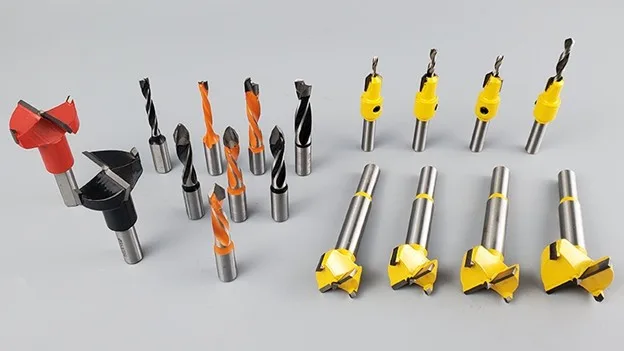
A chamfer is simply a beveled edge. It might seem like a small detail, but it can make your pieces look more refined and finished. Chamfer bits are ideal for:
- Creating angled edges on tabletops
- Giving boxes a more elegant shape
- Adding decorative flair to frames
A common angle is 45 degrees, but sets often include multiple options.
5. Rabbeting Bits
These bits help create rabbets- square notches along the edge of a board. They’re frequently used in cabinet making, drawer construction, and joining panels.
Most rabbeting bits include interchangeable bearings that allow you to adjust the depth of the cut. They’re excellent for clean, professional joints and are ideal for beginners learning joinery.
6. Cove Bits
If you love decorative edge work, a cove bit is a must. These create concave profiles and are commonly used in classical trim and molding designs. Cove and round-over bits often work together to create more complex edge details.
They’re also great for DIYers looking to build or restore traditional-style furniture.
7. V-Groove Bits
Want to add a bit of flair to your wood? V-groove bits let you carve clean, sharp lines into your work. Whether you’re engraving names, decorative lines, or making signs, this bit gives your project a custom feel.
You don’t have to be an artist—just grab a template and let your router do the rest.
8. Dovetail Bits
While not every beginner jumps into dovetail joints, they’re a woodworking classic. If you ever plan to build drawers or boxes with interlocking corners, this bit will become essential.
They do take some practice, but once you get the hang of using them (preferably with a dovetail jig), they offer unbeatable strength and visual appeal.
Buying Tips: Choosing the Right Woodworking Router Bits
Now that you know which bits to look for, here are some tips before you buy:
Go for Carbide-Tipped Bits
Carbide lasts much longer than steel, especially if you’re working with hardwoods.
Choose the Right Shank Size
Most routers support ¼” or ½” shanks. If possible, go with ½” for better stability and less vibration.
Start with a Set
Rather than buying each bit individually, start with a curated set. A straight router bit set, along with a basic edge-forming combo pack, will cover 90% of beginner projects.
Look for Brand Reputation
Always go with brands known for quality. Cheaper bits wear out quickly and can even damage your material or your router. And remember, if you’re looking to learn more, find trusted reviews, or shop for high-quality router bits, check out BitsRouter – your one-stop destination for everything routing.
Care and Maintenance: Making Your Bits Last
Router bits can be an investment, so take care of them.
- Clean regularly: Resin and sawdust buildup can dull edges
- Avoid overheating: Let the bit do the work- don’t push too hard
- Store properly: Keep bits organized and dry
- Sharpen when needed: Some bits can be professionally sharpened
With proper care, a high-quality bit set can last you for years.
Frequently Asked Questions (FAQs)
What router bits do I need as a beginner DIY woodworker?
Start with a straight bit, round-over bit, and a flush trim bit. These three cover most basic woodworking needs like edge rounding, trimming, and groove cutting.
Are carbide router bits better than high-speed steel?
Yes. Carbide-tipped bits stay sharper longer, provide smoother cuts, and are ideal for both soft and hardwoods. They also reduce the need for frequent replacement.
Can I use a ¼-inch shank bit in a ½-inch router?
Most routers come with adapters for both ¼” and ½” shank bits. However, using a ½” shank provides better stability, especially for heavier cutting tasks.
How do I know which router bit to use for a specific edge profile?
Use round-over bits for curved edges, chamfer bits for bevels, cove bits for decorative cuts, and V-groove bits for engraving. Visual guides or template books from sources like Rockler or Fine Woodworking can help.
How should I store and maintain my router bits?
Keep them clean, avoid moisture, and store them upright in a bit case or rack. Use a soft brush or bit cleaner to remove resin and dust buildup regularly.
Final Thoughts
When it comes to woodworking, it’s the little things that separate “DIY” from “pro.” And in routing, it’s all about the bits. Whether you’re adding flair to a simple bookshelf or building custom cabinetry from scratch, having the right woodworking router bits opens up a world of possibilities.
Start with the basics: a straight router bit set, a couple of edge-forming bits, and maybe one or two specialty bits depending on your projects. As your skills grow, so will your collection.
Alex Harding is a self-taught woodworking enthusiast with over 15 years of hands-on experience in furniture building, joinery, and home renovations. His workshop insights have been featured in DIY Maker Digest and popular YouTube tutorials. When not working on new jigs, Alex shares project plans and tool reviews with aspiring DIYers online.