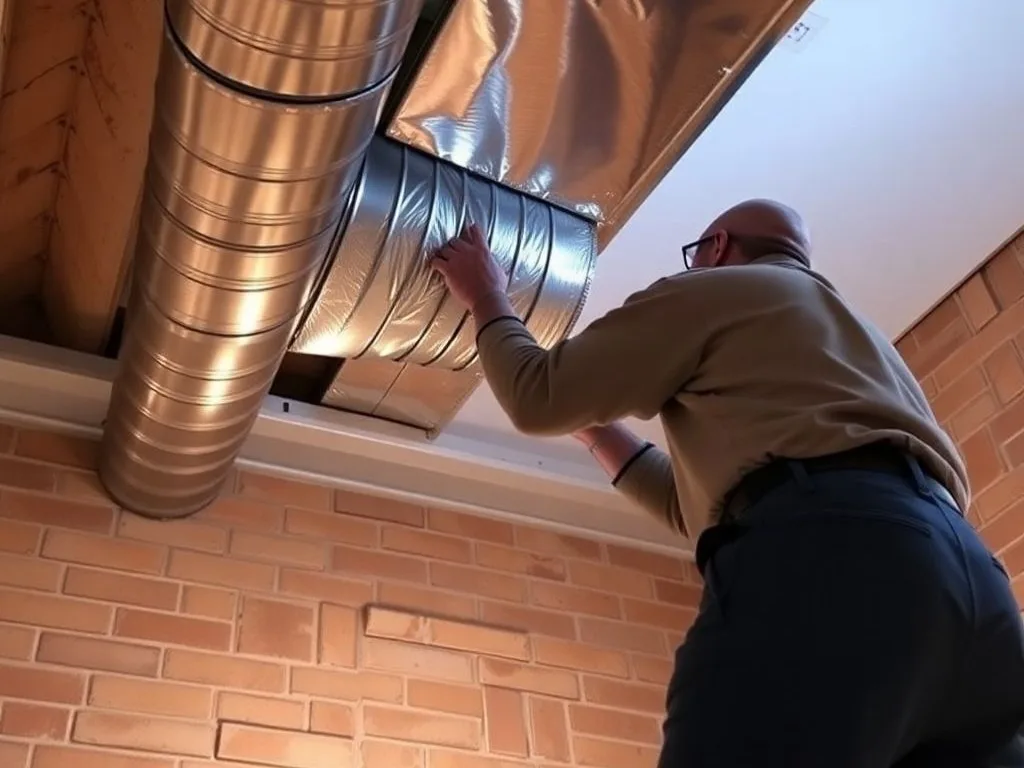
Ductwork is the circulatory system of your home’s heating and cooling system, responsible for distributing air to maintain comfort. Renovations provide a unique opportunity to address this often-overlooked component.
Accessibility during renovations makes it easier to inspect and upgrade ductwork, ensuring your HVAC system operates efficiently. Efficient ductwork enhances energy savings, improves indoor air quality, and contributes to the overall longevity of your heating and cooling equipment.
Let’s explore why ductwork replacement is worth considering during renovations.
Why Ductwork Shouldn’t Be Overlooked
Ductwork is often invisible but indispensable. It’s the “workhorse” of your HVAC system, quietly ensuring that conditioned air reaches every corner of your home.
Renovations, however, aren’t only about aesthetics—they’re a chance to enhance your home’s infrastructure. Neglecting ductwork during a remodel is like outfitting a luxury car with worn-out tires: the performance suffers.
Modern ductwork is designed for optimal airflow, energy efficiency, and adaptability to architectural changes, such as open-concept layouts or the integration of smart home systems.
Ignoring outdated ductwork can lead to uneven room temperatures, higher utility bills, and increased wear and tear on your HVAC system. Over time, issues such as leaks, blockages, and insufficient insulation can compromise airflow, reduce efficiency, and even shorten the lifespan of your HVAC equipment.
Beyond mechanical concerns, old or poorly maintained ducts may harbor mold, dust, and allergens, turning your home into a potential health hazard.
Assessing Your Current Ductwork
Key Indicators of Problems:
- Temperature Variations: Are some rooms noticeably hotter or colder than others? This inconsistency is a telltale sign of ductwork inefficiencies.
- Weak Airflow: If air from vents feels faint or uneven, there may be leaks or blockages in the system.
- Unexplained Energy Costs: Spikes in energy bills without changes in usage often point to ductwork issues.
- Noises in the Ducts: Whistling, rattling, or other unusual sounds could indicate structural problems or airflow restrictions.
- Dust or Odors: Visible dust buildup near vents or unpleasant smells can suggest contamination within the ducts.
Even without obvious symptoms, the age of your ductwork is an important consideration. Duct systems typically last 15–20 years, but shifts in your home’s structure or past renovations may have rendered your existing system inefficient.
Professional inspections using tools like thermal imaging and pressure tests can identify hidden problems such as leaks, disconnected sections, or insufficient insulation.
Evaluating the Need for Replacement
Upgrading your HVAC system without addressing the ductwork can undermine the benefits of your investment. Modern, high-efficiency HVAC systems require ducts that can handle precise airflow and maintain consistent pressure.
Outdated, poorly designed, or damaged ducts will prevent the system from operating at peak efficiency, resulting in higher energy consumption and less comfort.
Common Issues That Warrant Replacement:
- Persistent Inefficiencies: Hot and cold spots in your home may stem from poor duct design, leaks, or insulation gaps. Addressing these issues during renovations allows for a permanent solution.
- Aging Materials: Older duct systems often lack proper insulation and are made from materials that degrade over time, leading to energy loss and contamination.
- Air Quality Concerns: Ducts contaminated with mold, dust, or allergens can circulate pollutants throughout your home, posing health risks. Replacement ensures cleaner, healthier air circulation.
- Structural Incompatibility: Renovation projects, especially those involving layout changes, may require recalibrating duct layouts or installing updated materials to meet modern HVAC standards.
Upgrading to new ductwork offers energy efficiency and comfort, but it also allows for customization. For instance, smart dampers can enable zoned climate control, or antimicrobial duct materials can reduce allergen buildup.
Benefits of Replacing Ductwork
1. Improved Energy Efficiency
Upgraded ductwork minimizes leaks, enhances insulation, and optimizes airflow. These improvements can reduce energy usage by up to 30%, translating to lower utility bills and a smaller carbon footprint.
2. Better Indoor Air Quality
Old ducts can harbor years of dust, mold, and other contaminants, reducing air quality and potentially aggravating allergies or respiratory issues. Replacing or thoroughly cleaning ducts ensures that the air circulating through your home is cleaner and healthier.
3. Enhanced Comfort
Efficient duct systems eliminate hot and cold spots by maintaining consistent airflow and temperatures throughout the house. This not only improves day-to-day comfort but also ensures your HVAC system isn’t overworked.
4. Longer HVAC System Lifespan
Properly functioning ductwork reduces the strain on your HVAC system by maintaining optimal pressure and airflow. This prevents wear and tear on components like motors and compressors, extending the life of your system and reducing repair costs.
Considerations and Challenges
Cost Factors:
- Size of Your Home: Larger homes typically require more extensive ductwork, which can increase costs.
- Accessibility: Ducts hidden in walls or hard-to-reach areas may require more labor-intensive work.
- Material Choices: High-quality materials, such as insulated flexible ducts or smooth sheet metal, can cost more upfront but deliver greater efficiency and durability.
- System Complexity: Homes with unique architectural designs or advanced HVAC systems may require custom solutions, adding to the overall expense.
Renovation Integration:
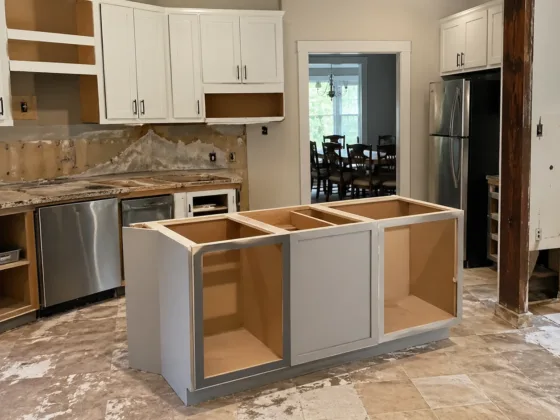
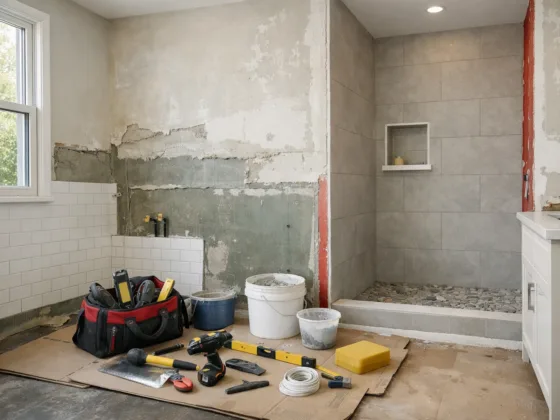
Replacing ductwork can be disruptive but is far less so when integrated into a renovation project. Walls or ceilings may need to be opened, but careful planning with your contractor can minimize disruptions. Modern prefabricated duct sections and dust barriers further streamline the process.
Alternatives to Full Replacement:
In cases where the ductwork is still structurally sound, cleaning and sealing may be viable options. Techniques like aerosol mastic sealing can significantly reduce leaks, while professional cleaning removes contaminants. However, for older systems with extensive damage, replacement remains the most cost-effective and lasting solution.
Making an Informed Decision
When Replacement Is Recommended:
- Ducts are over 20 years old or show visible signs of damage (e.g., rust, gaps, or collapsed sections).
- Renovations involve layout changes that affect airflow.
- The current system is incompatible with a high-efficiency HVAC upgrade.
- Persistent issues with airflow, temperature consistency, or energy bills.
Steps to Take:
- Professional Inspection: Hire a reputable HVAC technician to evaluate your ductwork. Request a detailed report, including photos and cost comparisons for repair, cleaning, and replacement.
- Energy Audit: Consider an energy efficiency assessment to quantify the potential savings from ductwork improvements.
- Budget Alignment: Weigh the upfront cost of replacement against long-term savings on energy and repair bills.
- Customization Options: Explore upgrades like zone control, soundproofing, or antimicrobial materials to maximize the benefits of your investment.
Final Thoughts
Addressing ductwork during a renovation is an opportunity to future-proof your home. New duct systems improve energy efficiency, enhance indoor air quality, and increase the resale value of your property.
While the upfront cost may seem significant, the long-term benefits—lower utility bills, healthier air, and reduced maintenance—make it a wise investment. Partnering with an experienced HVAC contractor ensures that your decision is based on accurate diagnostics and tailored recommendations.
Whether you’re upgrading to a high-efficiency HVAC system or simply aiming for better comfort and health, replacing your ductwork is a step toward a more sustainable and enjoyable home.
FAQ:
Why should I consider replacing ductwork during a renovation?
Replacing ductwork during a renovation allows you to address often-overlooked inefficiencies that could affect your HVAC system’s performance. Modern ductwork enhances airflow, energy efficiency, and air quality, making it a worthwhile investment for your comfort and home infrastructure.
What are the signs that my ductwork may need replacement?
Key indicators include noticeable temperature variations between rooms, weak airflow from vents, unexplained spikes in energy costs, unusual noises in the ducts, and visible dust or odors near vents. If your ductwork is over 20 years old or shows visible damage, it’s also a strong sign that replacement may be necessary.
How can replacing ductwork improve energy efficiency?
Upgrading to new ductwork minimizes leaks, enhances insulation, and optimizes airflow, which can reduce energy usage by up to 30%. This translates to lower utility bills and a smaller carbon footprint, making your home more energy-efficient.
What are the potential challenges of replacing ductwork during renovations?
Challenges can include higher costs due to the size of your home, accessibility issues, and the need for high-quality materials. Additionally, replacing ductwork can be disruptive, but planning with your contractor can help minimize the impact on your renovation project.
Are there alternatives to replacing ductwork entirely?
Yes, if the ductwork is still structurally sound, options like cleaning and sealing may be viable. Techniques such as aerosol mastic sealing can reduce leaks, while professional cleaning can remove contaminants. However, for older systems with extensive damage, replacement is often the most effective long-term solution.