Utility lines are an essential part of our daily lives. They provide us with the electricity, water, and gas that we need to power our homes and businesses.
But they can also pose a serious threat to construction workers if they’re not careful. In this blog post, we’ll discuss what to do if you encounter utility lines while working on a construction site.
Types of Utility Lines
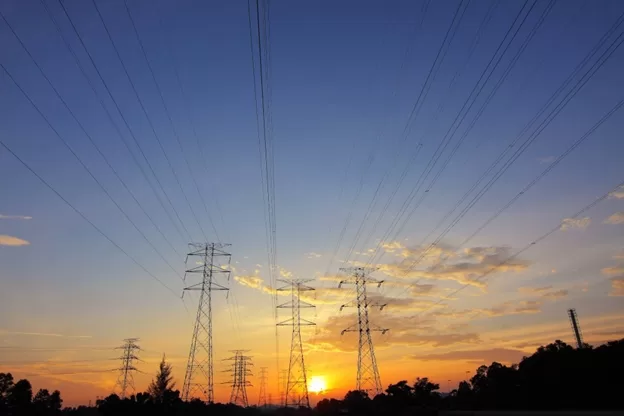
There are three main types of utility lines: transmission lines, distribution lines, and service lines. Transmission lines are the largest and most powerful, carrying electricity from generating plants to substations.
Distribution lines then carry electricity from substations to homes and businesses. Service lines are the smaller wires that connect individual buildings to the distribution system.
Without utility lines, our society would grind to a halt. That’s why it’s important to have a trained professional handle any work that needs to be done on these vital pieces of infrastructure. Utility lines are just as essential as Utility data, therefore, make sure not to get into trouble while working around them.
If You Dig into a Line
If you or your workers accidentally dig into a utility line, the first thing you should do is call 811. This is the national number for the Underground Service Alert, and they will be able to send someone out to mark the location of the line so that you can avoid it. Once the line has been marked, you’ll need to contact the utility company so that they can come out and make repairs.
Utility companies are required by law to respond to reports of damaged lines within a certain timeframe, so you won’t have to wait long for repairs. In the meantime, it’s important to take precautions to prevent injuries.
Make sure that everyone in your household or office knows about the damage and knows to avoid the area. You should also put-up warning signs to alert anyone who might be coming onto your property. Once repairs have been made, you can remove the warning signs and go back to business as usual.
Though it may seem daunting at first, dealing with a damaged utility line is relatively straightforward as long as you know what to do. By following these steps, you can minimize the disruption to your life and get your utilities back up and running in no time.
If a Line Falls
A fallen utility line can create a dangerous situation. If you come across a fallen line, the first thing you should do is make sure that all workers are accounted for and that nobody has been injured. Then, call 911 so that emergency services can respond. Once emergency services have arrived on the scene, you’ll need to contact the utility company so that they can begin repairs.
In the meantime, there are some things you can do to help keep everyone safe. First, make sure that no one tries to touch the line or move it in any way. Second, keep children and pets away from the area so that they don’t accidentally come into contact with the line.
Finally, take care to avoid any puddles or standing water near the line, as this could be electrified. By taking these precautions, you can help to prevent injuries until help arrives. Remember, always err on the side of caution when dealing with a fallen utility line.
Working Near Lines
In some cases, you may need to work near utility lines (e.g., when repairing roads or building structures). If this is the case, you’ll need to take some extra precautions to ensure everyone’s safety.
First, make sure that all workers are aware of the location of the lines and that they know to avoid them. Second, use caution tape or other visual markers to clearly delineate the area where work is taking place so that people passing by will know to stay away.
Finally, make sure that any tools or equipment being used in the area are properly insulated so that there’s no risk of electrical shock. Any time you are working near power lines there is a potential for danger. It is important to follow some simple safety guidelines whenever you are working in proximity to electrical wires.
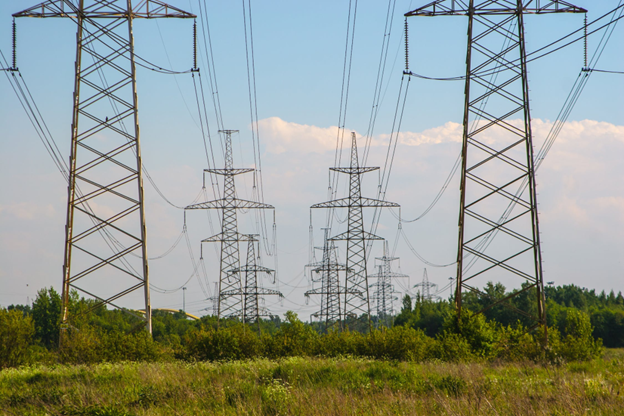
By taking a few moments to assess the risks and take proper precautions, you can ensure a safe work environment for yourself and those around you. Overhead power lines are one of the most common dangers associated with working near utilities. These high-voltage lines can deliver a deadly electrical current, and they should always be treated with caution. If you must work near overhead power lines, make sure that you keep a safe distance at all times.
The precise distance will vary depending on the voltage of the line, but as a general rule, you should maintain a minimum distance of 10 feet from any line carrying up to 50 kV, and 20 feet from any line carrying more than 50 kV. If you are not sure how close you can safely get to a particular power line, always err on the side of caution and maintain a greater distance. Hazardous voltages can also be present in underground power lines.
These buried cables are often found in residential neighborhoods and can pose a serious shock hazard if they are damaged or disturbed. Whenever you are planning any kind of excavation work (e.g., digging a trench for utility repairs), it is crucial that you call 811 to have underground utility lines marked before beginning your project.
This simple step can help prevent damage to buried cables and reduce risks associated with electrocution or other injuries. By following these basic safety guidelines, you can help create a safe work environment whenever you are working near utility lines. Taking the time to assess potential risks and take precautions can protect yourself and those around you from harm.
Conclusion
Utility lines are an essential part of our daily lives, but they can also pose a serious threat to construction workers if they’re not careful. In this blog post, we’ve discussed what to do if you encounter utility lines while working on a construction site. If you have any questions or concerns about working near utility lines, be sure to contact your local utility company for more information.