• DIY
    • Crafts
      • Outdoors & Garden Projects
    • Decorating
      • Exterior Painting & Decorating
      • Painting & Wallpaper
      • Room by Room
    • Furniture
      • Cabinets
      • Tables
    • Woodworking
  • Home Improvement
    • Real Estate
    • Living
    • Entertaining
    • Home Building & Design
      • Home Interior
      • Home Exterior
    • Home Management
      • Home Organization
    • Remodeling
    • Living Areas
    • Bathroom
    • Kitchen
  • Lawn & Garden
    • Lawn Care
    • Vegetable Gardening
    • Landscaping
      • Irrigating
    • Flowers
    • Trees & Shrubs
  • Categories
    • Home Improvement
    • Lawn & Garden
    • Landscaping
    • Real Estate
Housesumo.com
  • DIY
    • Crafts
      • Outdoors & Garden Projects
    • Decorating
      • Exterior Painting & Decorating
      • Painting & Wallpaper
      • Room by Room
    • Furniture
      • Cabinets
      • Tables
    • Woodworking
  • Home Improvement
    • Real Estate
    • Living
    • Entertaining
    • Home Building & Design
      • Home Interior
      • Home Exterior
    • Home Management
      • Home Organization
    • Remodeling
    • Living Areas
    • Bathroom
    • Kitchen
  • Lawn & Garden
    • Lawn Care
    • Vegetable Gardening
    • Landscaping
      • Irrigating
    • Flowers
    • Trees & Shrubs
  • Categories
    • Home Improvement
    • Lawn & Garden
    • Landscaping
    • Real Estate
featured image - How do Plants Get Nutrients?
  • DIY
  • Lawn & Garden

How do Plants Get Nutrients?

  • Perla Irish
  • April 16, 2021
Total
4
Shares
4
0
0
0

As humans, while we need food to convert it into energy, plants also require a range of absorption techniques for getting moisture and nutrients. That further helps them in their growth.

Like the roots, if plants dive into the soil, they come in contact with water, nutrient reserves, and air.
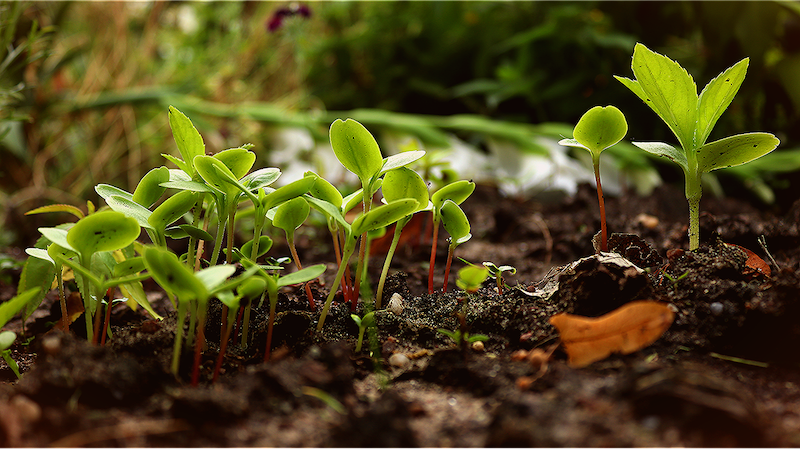
image - How do Plants Get Nutrients?
How do Plants Get Nutrients?

The leaves use photosynthesis under sunlight and air as they rise towards the sky. But the roots are unable to absorb nutrients through their extensions directly.

For plants, the water becomes the source of soluble elements and healthy growth. The following are the basic elements that any pant needs to gather nutrients:

Sunlight and Air

Plants captivate sunlight through chlorophyll during photosynthesis. That sunlight then becomes sugar via cellular activities that the plant uses to produce nectar while flowering and growing tall.

Thus, for those who wonder how often do I use nutrients on my plants? , how do I provide the best for my plants?, or even how often do I need to water my plants?

It is important to make the beginning correct; thus, make sure to keep your plant where it gets better exposure to sunlight.

Further, as plants exchange gases or transpire with the surrounded atmosphere, they occupy critical carbon dioxide, which later expels as oxygen.

The stomata that are the tiny leaf pores enable gasses to move out and in for the nutrient exchange and absorption.

image - Sunlight and Air

Soil Nutrient Retention

Whatever nutrient your plant requires, the maximum of it is available in the soil you keep them in.

Ranging from nitrogen to iron, over a dozen nutrients are available in the soil that the plants absorb to grow strong.

And the key to assimilating these nutrients is a soil environment high in organic material like compost.

Since compost contains a negative charge down straight at the molecular level, it is prone to attract all the positively charged nutrients present within the soil.

As a result of which, the nutrients adhere to organic matter as roots grow in the surrounding.

As the roots encounter the nutrients, it tends to absorb the elements. Thus, take care of the quality-type of your soil, as poorly managed soils can cause a nutrient deficiency in plants.


Read Also:

  • Growing Tomatoes: Plant Seedlings on Their Side for a Strong Root System
  • Unleashing Tips and Tricks to Get Rid of Lawn Weeds
  • How to Keep Your Houseplants Alive and Healthy
  • 5 Best Reasons to Put Mulch on Your Garden

Proper pH

The alkalinity and acidity levels in the soil are known as their pH level. It helps to determine the possible elements available for starving plant roots.

Generally, maximum plants prefer a bit acidic pH range of 6-6.5.

If you possess a well-established and maintained garden along with ample organic matter, then this is the adequate surviving environment for your plants.

On the other hand, make sure the pH level of the soil is not highly alkaline.

Because in that case, the roots become unable to consume specific micronutrients, such as copper or chloride.

However, another micronutrient like potassium is difficult to consume with highly acidic soils. Thus, try to make a balance between as per your plant needs.

Root Hairs and Micro-Organism Activity

The roots of plants are not simply of long structure and smooth. They generally have typical tiny hairs, which cover a maximum of the root’s length.

These hairs absorb soluble nutrients and water for the healthy growth of the plants.

Although, some critical nutrients seem to be difficult to absorb by plant root hairs.

However, soil microorganisms like earthworms tend to consume the elements present in the surrounding. And then expel castings that are rich in soluble elements.

For instance, earthworm digestive fluids produce phosphate by transforming phosphorus that is easy to absorb nutrients for plants.

Conclusion

Thus, these are some basic yet crucial nutrient sources of plants that help them to grow healthily.

Also, anybody who is a plant lover can grow healthy and tall plants in their house just by keeping the above-mentioned points in mind.

0
0
4
0
Total
4
Shares
Pin it 4
Share 0
Tweet 0
Share 0
Share 0
Related Topics
  • elements
  • nutrients
  • plants
  • roots
  • soil
  • sunlight
Previous Article
Featured image - 6 Benefits of Professional Tree Care Services
  • DIY
  • Landscaping
  • Lawn & Garden
  • Lawn Care

6 Benefits of Professional Tree Care Services

  • Perla Irish
  • April 15, 2021
View Post
Next Article
featured image - Biggest Mold Inspection & Remediation Mistakes to Avoid
  • DIY
  • Home Improvement

Biggest Mold Inspection & Remediation Mistakes to Avoid

  • Perla Irish
  • April 18, 2021
View Post

You May Also Like

Close-up of a pro plasterer applying Venetian plaster with a steel trowel while a homeowner watches in a modern living room
View Post
  • Decorating
  • DIY
  • Home Improvement
  • Home Interior
  • Painting & Wallpaper

Venetian Plaster Technique: Step-by-Step Guide to Luxurious, Marble-Look Walls

  • Perla Irish
  • December 9, 2025
Stamped decorative concrete patio with warm stone pattern, outdoor dining set, lounge chairs, and planting beds in a cosy backyard at golden hour.
View Post
  • DIY
  • Home Exterior
  • Home Improvement
  • Landscaping
  • Lawn & Garden

Reasons to Use Decorative Concrete for Your Patio

  • Perla Irish
  • December 9, 2025
Modern beige bathroom with floating wooden vanity, LED mirror, heated towel rail, built-in shelving and a freestanding tub
View Post
  • Bathroom
  • Decorating
  • DIY
  • Home Improvement
  • Room by Room

Functional Bathroom Décor: Pieces That Look Good and Work Hard

  • Perla Irish
  • December 4, 2025
Couple reviewing kitchen remodel plans on a tablet in a newly renovated soft-modern kitchen with light oak island, quartz countertops, creamy cabinets, and pendant lighting.
View Post
  • DIY
  • Home Improvement
  • Kitchen
  • Remodeling

The Complete 2026 Kitchen Remodeling Guide: New Trends, Updated Costs, Layout Innovations & Smart Design Strategies

  • Perla Irish
  • December 4, 2025
Suburban two-story home with a backyard in-ground pool and patio dining area on a clear summer day
View Post
  • DIY
  • Home Improvement
  • Real Estate

Is a Pool in a Cold Climate a Smart Move When You’re Buying a House?

  • Perla Irish
  • December 3, 2025
Detached backyard ADU under construction with concrete foundation and exposed wood framing behind a single-family home.
View Post
  • DIY
  • Home Improvement
  • Real Estate

ADU Structural Requirements: Foundations, Framing, and Permits Explained

  • Perla Irish
  • November 15, 2025
Open-concept kitchen and living room after kitchen wall removal, with structural beam, island seating, and continuous wood flooring
View Post
  • DIY
  • Home Building & Design
  • Home Improvement
  • Kitchen
  • Remodeling

How to Open Up the Space Between a Kitchen and Living Room

  • Perla Irish
  • November 14, 2025
Bright neutral living room in a simple home transformed into a luxurious abode, with a large area rug, modern sofa, layered lighting, linen curtains and brass accents.
View Post
  • Decorating
  • DIY
  • Home Improvement
  • Home Renovation
  • Remodeling
  • Room by Room

Transform Simple Homes Into Luxurious Abodes (2025 & Beyond)

  • Perla Irish
  • November 13, 2025

Join 13,000 folks!

Get instant access to our weekly newsletter where we share the best! 100% Privacy. No Spam.

  • Disclosure & Affiliate Policy
  • Privacy Policy
  • Terms of Use
  • About
  • Sitemap
  • Contact Us

Input your search keywords and press Enter.