• DIY
    • Crafts
      • Outdoors & Garden Projects
    • Decorating
      • Exterior Painting & Decorating
      • Painting & Wallpaper
      • Room by Room
    • Furniture
      • Cabinets
      • Tables
    • Woodworking
  • Home Improvement
    • Real Estate
    • Living
    • Entertaining
    • Home Building & Design
      • Home Interior
      • Home Exterior
    • Home Management
      • Home Organization
    • Remodeling
    • Living Areas
    • Bathroom
    • Kitchen
  • Lawn & Garden
    • Lawn Care
    • Vegetable Gardening
    • Landscaping
      • Irrigating
    • Flowers
    • Trees & Shrubs
  • Categories
    • Home Improvement
    • Lawn & Garden
    • Landscaping
    • Real Estate
Housesumo.com
  • DIY
    • Crafts
      • Outdoors & Garden Projects
    • Decorating
      • Exterior Painting & Decorating
      • Painting & Wallpaper
      • Room by Room
    • Furniture
      • Cabinets
      • Tables
    • Woodworking
  • Home Improvement
    • Real Estate
    • Living
    • Entertaining
    • Home Building & Design
      • Home Interior
      • Home Exterior
    • Home Management
      • Home Organization
    • Remodeling
    • Living Areas
    • Bathroom
    • Kitchen
  • Lawn & Garden
    • Lawn Care
    • Vegetable Gardening
    • Landscaping
      • Irrigating
    • Flowers
    • Trees & Shrubs
  • Categories
    • Home Improvement
    • Lawn & Garden
    • Landscaping
    • Real Estate
featured image - A Brief Guide to Lost Wax Casting
  • Home Improvement
  • DIY

A Brief Guide to Lost Wax Casting

  • Perla Irish
  • March 23, 2022
Total
4
Shares
4
0
0
0

Sometimes also referred to as ‘investment casting’, lost wax casting is a process that sees a single metal object cast using a wax model. The process is extremely versatile and allows the artists to achieve really detailed results.
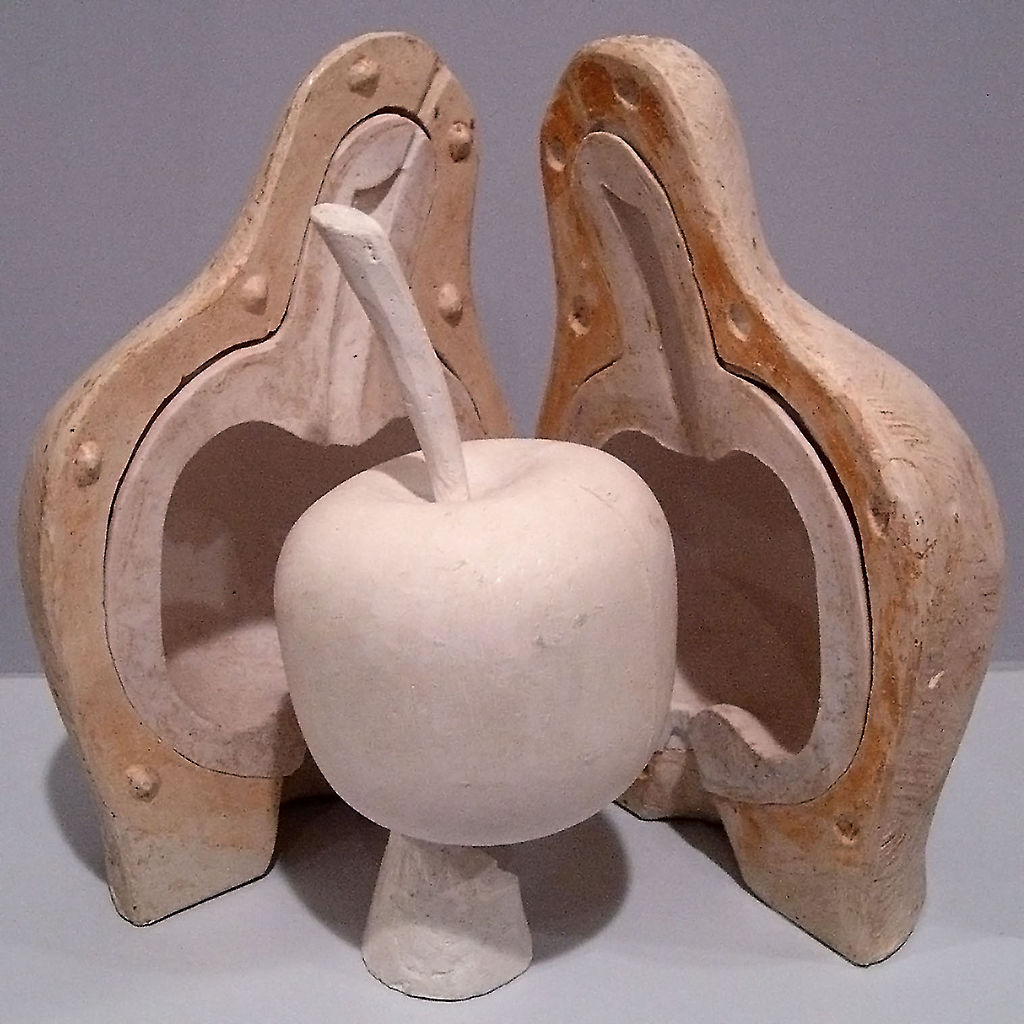
image - A Brief Guide to Lost Wax Casting
A Brief Guide to Lost Wax Casting

What Exactly s Lost Wax Casting?

L ost wax casting sees a mold built around a wax model that is then sacrificed later on in the process.

Once the mold investment is in place and set, the wax is then melted away to create a cavity into which the glass or metal can go into. The method of casting is great for capturing really fine details in both glass and metal.

Lost wax casting is a process that has been used for many thousands of years (since 3000 B. C.) for the purpose of visually showing religious events or ancient culture throughout history.

What is the Process Used For?

The ancient process is still used around the world today for both making pieces of fine art and in the manufacturing process.

The high accuracy and precision that it delivers make it the perfect tool for producing objects that have close tolerances, intricate detailing, and/or thin walls.

It is used to create various parts for a whole range of different industries, including the medical industry, the agricultural industry, and the transportation industry.

The process allows for both really simple and highly complex objects to be made from a wide range of metals.

What Are the Steps Involved in The Process?

The most basic lost wax casting method involves a number of key steps. The first of these is creating a pattern and a mold and then pouring liquid metal into that mold.

Once set, the solid metal casting will need to be extracted and finished to get the desired result. It is a completely customizable process whereby different metals can be cast into various shapes, sizes, and more.

The steps involved in the process are detailed below, although some larger-scale lost wax casting processes may differ slightly.

  • Tools and Materials – it is important to gather the correct tools and materials for the job. This may include things like safety gear, a torch, tongs, a heat gun, etc.
  • Create A-Wax Model – the desired design needs to be created in wax form and then the mold built around it.
  • Make The Mold – the mold is using a combination of silica and plaster for maximum support and refractory.
  • Take Away the Wax – use a microwave to or some other heat-producing device to melt the wax out of the mold.
  • Choose The Metal – decide what metal to use in order to get the desired look and finish of the final piece.
  • Melt The Metal – depending on what metal is being used, the metal point will differ and will require a great amount of heat.
  • Pour Into the Mold – once the metal has turned into liquid form, it needs to then be poured into the mold.
  • Release The Cast – as soon as the metal has set and cooled adequately, it is then released from the cast.
  • Finish The Piece – finally, it is finished using various scrubbing techniques in order to remove any excess mold material.
0
0
4
0
Total
4
Shares
Pin it 4
Share 0
Tweet 0
Share 0
Share 0
Related Topics
  • guide
  • material
  • metal
  • mold
  • process
  • tools
Previous Article
featured image - How to Choose the Right Eviction Locksmith: What You Need to Know
  • Home Improvement
  • DIY

How to Choose the Right Eviction Locksmith: What You Need to Know

  • Perla Irish
  • March 23, 2022
View Post
Next Article
featured image - Planning for Asbestos Removal During Bathroom Renovations
  • Bathroom
  • DIY
  • Home Improvement

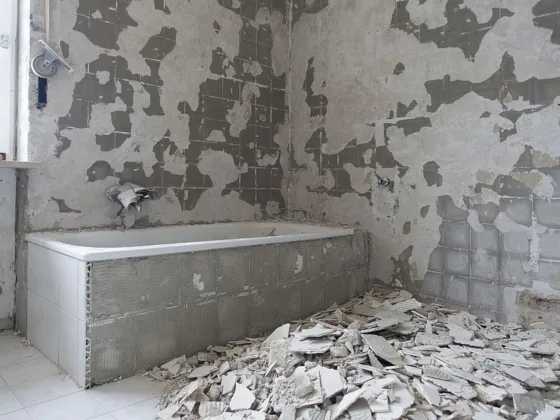
Planning for Asbestos Removal During Bathroom Renovations

  • Perla Irish
  • March 23, 2022
View Post

You May Also Like

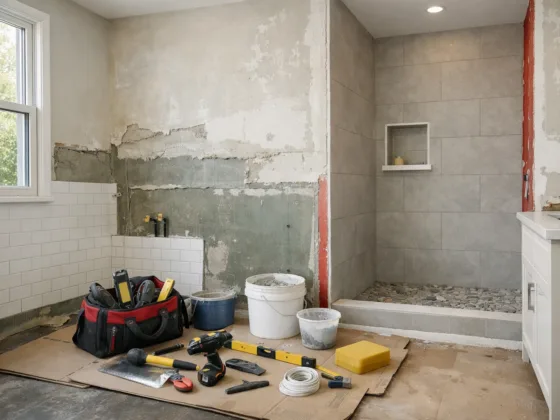
Bathroom remodel in progress showing tile installation and renovation tools during construction.
View Post
  • Bathroom

How Long Does a Bathroom Remodel Really Take?

  • Perla Irish
  • March 11, 2026
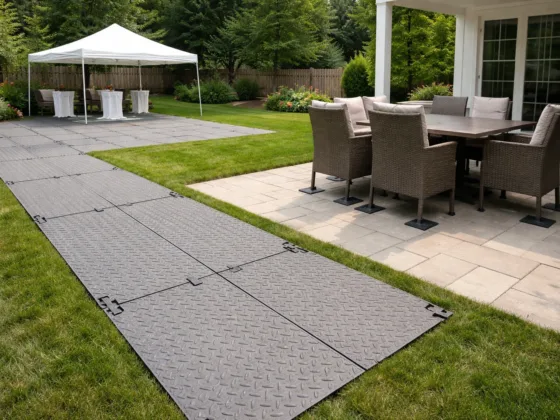
Temporary ground protection panels installed over lawn beside a residential patio to prevent surface damage during an outdoor event
View Post
  • Lawn & Garden
  • Lawn Care

How to Protect Your Lawn and Outdoor Surfaces During Events (Before Damage Sets In)

  • Perla Irish
  • February 23, 2026
Side-by-side comparison of casement and double hung windows in a modern home interior
View Post
  • Remodeling

Replace Casement Window with Double Hung? Structural & Code Impacts

  • Perla Irish
  • February 20, 2026
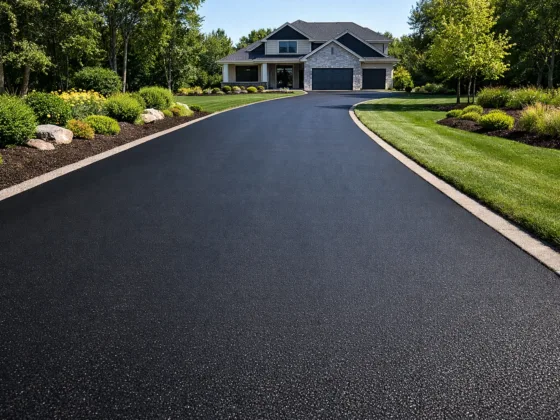
New residential asphalt driveway with smooth surface and landscaped edges
View Post
  • Home Improvement

Asphalt Driveway Advantages vs Concrete: Cost, Lifespan & Structural Value

  • Perla Irish
  • February 20, 2026
Modest kitchen with wood-look faux butcher block countertop
View Post
  • Kitchen

DIY Faux Butcher Block Countertops: Cost, Durability & Long-Term Reality

  • Perla Irish
  • February 14, 2026
Modular furniture components arranged as an adaptive interior system rather than fixed standalone pieces.
View Post
  • Furniture

Modular Furniture Beyond Sofas: Designing Interiors That Adapt Over Time

  • Perla Irish
  • January 27, 2026
Flexible living room interior layout illustrated as a system, showing modular seating, storage, and furniture arranged for long-term adaptability rather than fixed styling.
View Post
  • Home Interior

Flexible Living Room Layouts: Designing Spaces That Adapt Over Time

  • Perla Irish
  • January 26, 2026
Neutral living space illustrating eco-friendly interior design through flexible layout and long-term adaptability.
View Post
  • Home Interior

Transforming Your Home With Eco-Friendly Interior Design

  • Perla Irish
  • January 26, 2026

Join 13,000 folks!

Get instant access to our weekly newsletter where we share the best! 100% Privacy. No Spam.

  • Disclosure & Affiliate Policy
  • Privacy Policy
  • Terms of Use
  • About
  • Sitemap
  • Contact Us

Input your search keywords and press Enter.