Exterior house painting doesn’t have a fixed cost range in practice. The difference between a $3,000 job and an $8,000 one comes down to what needs to be fixed before the paint even goes on. Size gives a rough expectation. The real cost comes from surface condition, preparation, and how the work is handled.
Two homes with similar square footage can end up with completely different quotes. The difference shows up once signs your house needs repainting start to appear and surface issues are no longer cosmetic.
The real problem is that most estimates don’t break this down clearly.
Most homeowners don’t overpay for painting—they underpay for preparation, then pay for it again a few years later.
Here’s what actually drives the cost.
What Actually Drives Exterior Painting Costs (Quick Answer)
- Surface condition: damaged or peeling areas increase prep time
- Preparation work: cleaning, sanding, and repairs often cost more than painting
- Labor complexity: multi-level homes and detailed trims raise costs
- Paint quality: cheaper paint leads to shorter lifespan and faster repainting
- Execution quality: poor prep or rushed work causes early failure
Most cost differences come from preparation and labor—not the paint itself.
This is where most estimates start to feel inconsistent.
The Cost Isn’t Paint — It’s Preparation
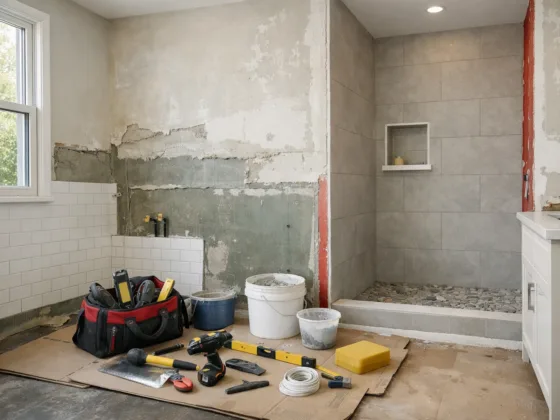
Most of the budget is spent on preparation. This is where quotes start to separate, not during the actual painting.
- Clean surfaces: minimal prep, faster work
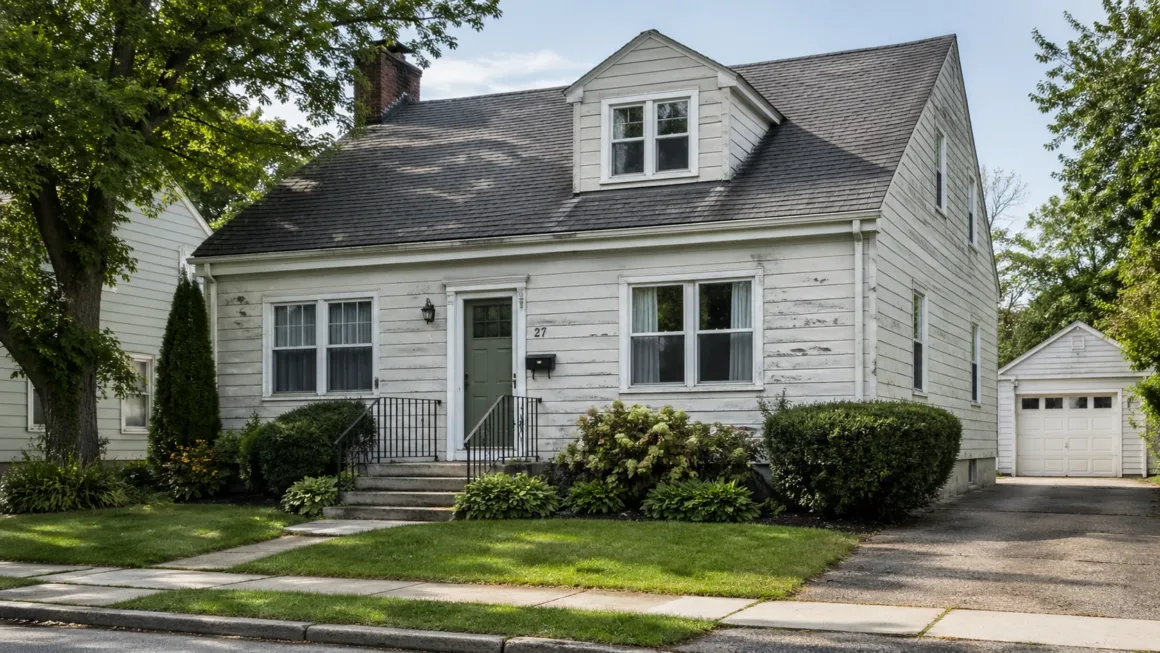
- Peeling or damaged areas: scraping, sanding, priming
- Moisture or mold: treatment before painting
Most homeowners misjudge the budget at this stage. A surface that looks “slightly worn” often hides prep work that takes more time than the painting itself.
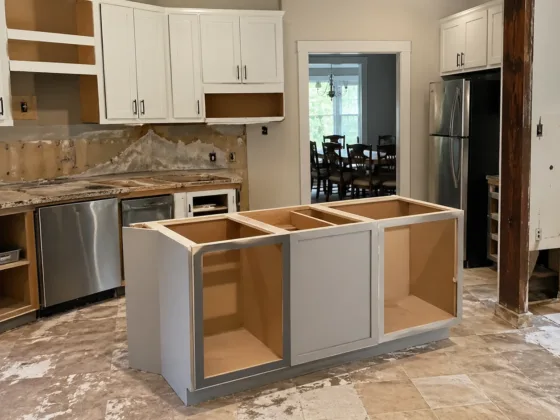
The gap between quotes becomes obvious here. A well-maintained exterior moves fast, while a neglected one turns into a repair project that follows a full exterior painting process rather than a simple repaint.
When reviewing quotes for exterior house painting, the critical detail isn’t the price—it’s how much preparation is included. That determines how long the result will actually last.
At this point, the job stops being predictable. The condition of the surface starts dictating how much work is actually needed.
This is where most budgets start to slip.
Size Matters — But Complexity Matters More
Square footage gives a rough starting point. The actual workload comes from how complex the structure is.
- Single-level homes with flat walls are straightforward
- Multi-level homes increase time and risk
- Detailed trims and angles slow down application
- Difficult access adds equipment costs
A complex exterior can double the labor time without changing the square footage.
Paint Quality Decides How Often You Repeat the Job
Lower-cost paint saves money upfront, but it leads to repainting sooner. Higher-quality paint costs more but holds up longer under sun, rain, and temperature shifts.
The difference shows up quickly when comparing paint quality and durability options, especially for homeowners trying to balance budget and long-term performance.
Short-term savings turn into long-term cost at this point.
Labor Is Where Most of the Money Goes
Labor makes up the largest portion of the total cost. It covers:
- Surface preparation
- Application consistency
- Protection of surrounding areas
Most repaint failures are not caused by the paint itself but by inconsistent preparation or rushed application. When the coating fails early, the cost doubles because the entire process needs to be repeated from the beginning.
The difference between a paint job that lasts three years and one that lasts ten usually comes down to execution quality. That’s why evaluating how to choose the right painting contractor matters more than comparing prices alone.
Most budgeting mistakes happen at this stage.
This is also the point where cheaper quotes start to break down.
Timing Affects Price More Than Most Expect
Pricing shifts throughout the year.
- Peak season: higher pricing, limited availability
- Off-season: more flexibility, potential savings
Weather also affects scheduling. Delays can extend labor time and increase total cost if not planned carefully.
Hidden Costs That Catch Homeowners Off Guard
- Repairs uncovered during prep
- Extra coats for color changes
- Material upgrades
- Permit requirements in certain areas
Many of these issues are already covered in broader house painting basics, but they often get overlooked during budgeting.
Setting aside an extra 10–15% prevents budget strain when these issues appear.
How to Budget Without Regret
- Compare detailed quotes, not just totals
- Confirm prep work scope before agreeing
- Choose durability over lowest price
The cheapest option often becomes the most expensive when repainting is needed sooner than expected.
The most common budgeting mistake is comparing total quotes without understanding what each one includes. A lower quote often excludes preparation steps that directly impact durability, which makes the difference only visible after the job is completed.
Quick Decision Check
- Surface still solid: maintenance repaint works
- Peeling or cracks: expect higher prep costs
- Moisture issues: repair must come first
- Complex structure: labor becomes the main driver
In short: exterior painting costs are driven by preparation, labor complexity, and durability—not just size or paint choice.
Final Take
Exterior painting costs feel unpredictable because most quotes hide what actually drives the work. Once you separate preparation, labor, and material quality, the pricing starts to make sense.
Budgeting becomes easier when the goal shifts from “lowest quote” to “longest-lasting result.”
Author & Editorial Review
Author: Perla Irish is a design and home living writer specialising in interior materials, furniture performance, and practical home decision-making. View her published work at Muck Rack.
Editorial Review: This article was reviewed by the HouseSumo Editorial Board to ensure clarity, neutrality, factual accuracy, and alignment with current home living practices. Content is evaluated for long-term usefulness and informational integrity rather than promotional intent.
Last updated: April 2026